
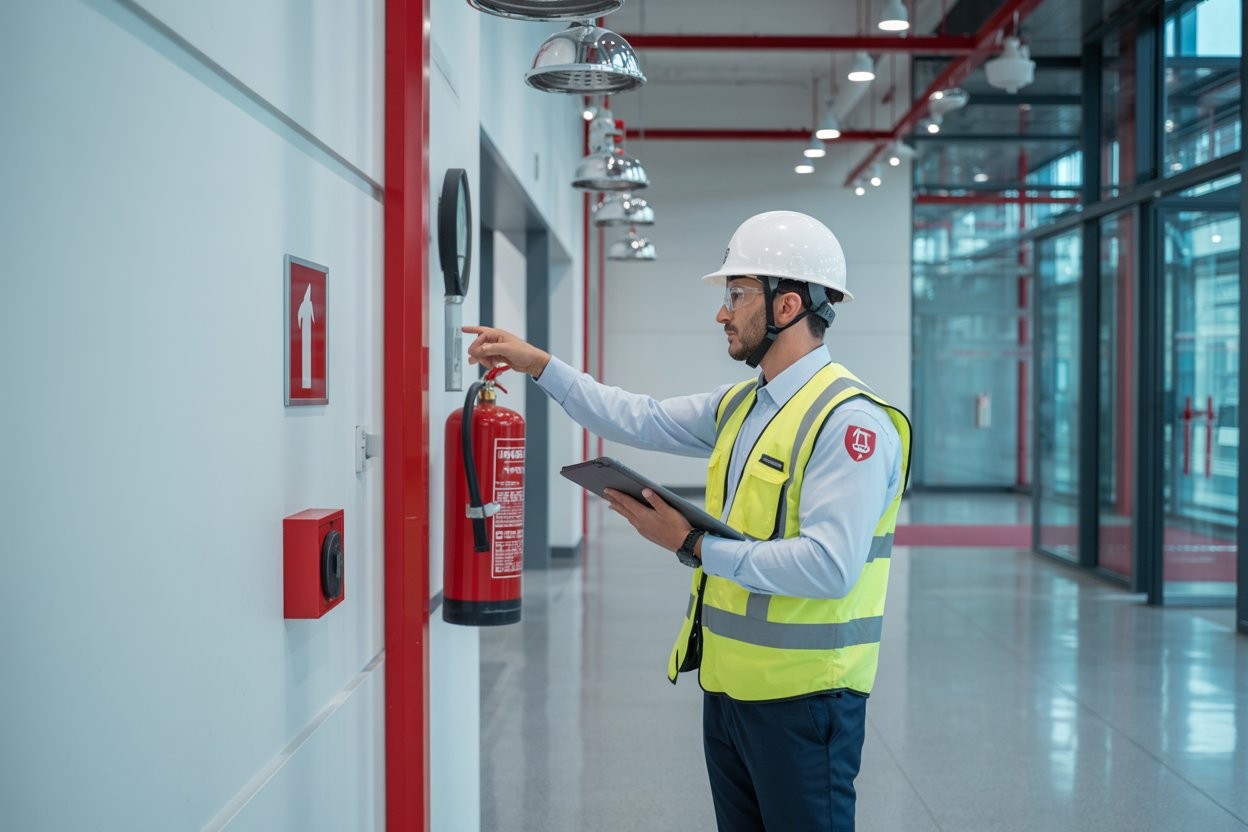
Fire safety is not something you want to leave to chance, especially in Qatar, where rapid urban growth, high-rise developments, and large-scale commercial projects have made fire protection a non-negotiable part of building compliance and occupant safety. Whether you are setting up a new facility in Doha, Lusail, or an industrial zone, installing a properly designed fire alarm and firefighting system is both a legal requirement and a fundamental responsibility to the people who use your building. This guide walks you through exactly what to look for, what questions to ask, and why working with a qualified fire protection company in Qatar is worth every bit of due diligence.
The Importance of Fire Protection
Qatar enforces some of the most thorough fire safety regulations in the Gulf region. The Qatar Civil Defence (QCD) authority mandates that all commercial, industrial, and residential buildings maintain certified fire protection systems in proper working condition at all times. Non-compliance is not just a safety risk; it can result in serious legal consequences and operational shutdowns.
The fire alarm system & firefighting involve several important aspects that make it essential:
- Life safety: This is actually the primary goal of fire protection plans. It provides early warnings and ensures safe evacuation routes.
- Preserving property: A good fire protection system can help safeguard your property.
- Regulatory compliance: The protection plan should comply with Qatar Civil Defense regulations.
These factors highlight why a reliable fire protection system is essential.
Read more: Fire Alarm System Requirements in Qatar: A Guide for Building Owners
How to Choose a Fire Protection Installation Company
Selecting a proper fire protection installation company can be quite daunting. Let us explore a few key factors to help you choose the best fire protection installation company.
-
Checking the Background of the Installation Company
The very first thing to verify is whether the company holds a valid licence from the Qatar Civil Defence Department. Every fire protection company operating in Qatar must be registered with the QCDD, and the distinction matters, because some firms are general maintenance companies without the specific fire safety certification required by law. Always ask for a copy of their QCDD licence before any further conversation.
Beyond licensing, look at the company's track record. How long have they been operating? What types of projects have they completed: commercial towers, industrial facilities, or residential complexes? Choose companies with real project experience across Qatar's key cities and development zones, and ensure they have a demonstrated understanding of QCD approval procedures.
It also pays to check whether the company holds international certifications. Partnerships with global fire safety bodies or certifications from recognised organisations such as NFPA or ISO significantly strengthen a company's credibility and signal their commitment to meeting international safety standards.
-
Ask Who Will Be Working on the Fire Suppression System
This is a question many building owners forget to ask and it matters. A company might have impressive credentials at the management level, but the actual installation work is carried out by technicians on the ground. You need to know who those people are and what their qualifications look like.
Ask specifically:
- Are the technicians employed directly by the company, or are they subcontractors?
- What training and certifications do the on-site engineers hold?
- Will a qualified supervisor be present throughout the installation?
- Do the technicians have hands-on experience with the specific brands being installed systems like Honeywell, Simplex, or Grundfos pumps?
If a company does not understand the international brands commonly used in Qatar's buildings, there is a real risk of accidental damage to expensive hardware during installation.
-
Is the Expert Insured and Bonded?
Before signing any contract, confirm that the company carries adequate insurance coverage. This should include:
- General liability insurance: covering property damage or injury caused during the installation
- Professional indemnity: protecting you if the system design proves faulty
- Workers' compensation: covering their employees if someone is injured on your site
On top of insurance, ask about bonding. Surety bonds provide financial assurance to clients that contractors will fulfil their contractual obligations and meet performance requirements, a critical protection for large-scale projects. A bonded and insured company protects you from liability if an accident occurs on your property, and it is a strong signal that the contractor is operating professionally and at an appropriate scale.
-
What Are the Physical Limitations?
Every building has structural and physical constraints. Your protection plan should primarily be based on the type of building. A reliable company will conduct a thorough site survey rather than offering a "one-size-fits-all" quote.
Here are a few limitations that you should focus on:
- Retrofitting Challenges: Are you upgrading an older building? The installation company must identify how to integrate new piping and wiring. All this is generally done without compromising the building's structural integrity or aesthetic.
- Space Constraints: In high-density areas or small utility rooms, the physical footprint of tanks and control panels becomes a major factor. The contractor should be able to design a compact yet effective solution.
- Environmental Factors: In Qatar, outdoor components must be resistant to dust, sand, and extreme temperatures. A professional contractor will recommend materials and housing specifically designed for the Middle Eastern climate.
The Benefits of Working with a Professional Fire Protection Installation Company
Partnering with an industry leader for your professional fire protection installation needs comes with several benefits.
Guaranteed QCD Compliance: A professional company understands exactly what Qatar Civil Defence inspectors are looking for. They design and install systems that pass inspection on the first attempt, saving you the cost and delay of remedial work.
End-to-End Service: Top-tier companies handle everything from system design, supply, and installation through to testing, commissioning, and annual maintenance contracts.
Reduced Long-Term Risk: Systems installed correctly from the start require less reactive maintenance. Proper installation dramatically reduces the risk of system failure during a real emergency, which is the only situation that truly matters.
Accountability and Warranty: Professional companies stand behind their work. They provide documented warranties, clear maintenance schedules, and a named point of contact when something needs attention.
Expert Guidance on Technology: The fire safety industry evolves. Addressable alarm panels, smart detection sensors, and integrated building management system connectivity are now standard in modern developments.
Also Read: How Fire Alarm Systems Improve Building Safety
Conclusion
Choosing the right fire protection company in Qatar takes more than a quick internet search and a price comparison. It requires a structured evaluation of licensing, technical competence, workforce qualifications, insurance coverage, and site-specific experience. If you are looking for a trusted partner for fire alarm system installation and firefighting system installation in Qatar, Electra brings the expertise, certifications, and proven track record that a project of this importance demands. With full compliance with Qatar Civil Defence standards and a team experienced across commercial, industrial, and residential projects, we deliver fire protection solutions built to perform when it counts most.
Related Blogs

How Car Parking Shades Reduce Vehicle Heat Damage in Qatar
How PA Systems Help Manage Emergencies in Large Buildings in Qatar
69dc76a796b90.png)
Outdoor UPS Vs Indoor UPS: Key Differences You Need To Know
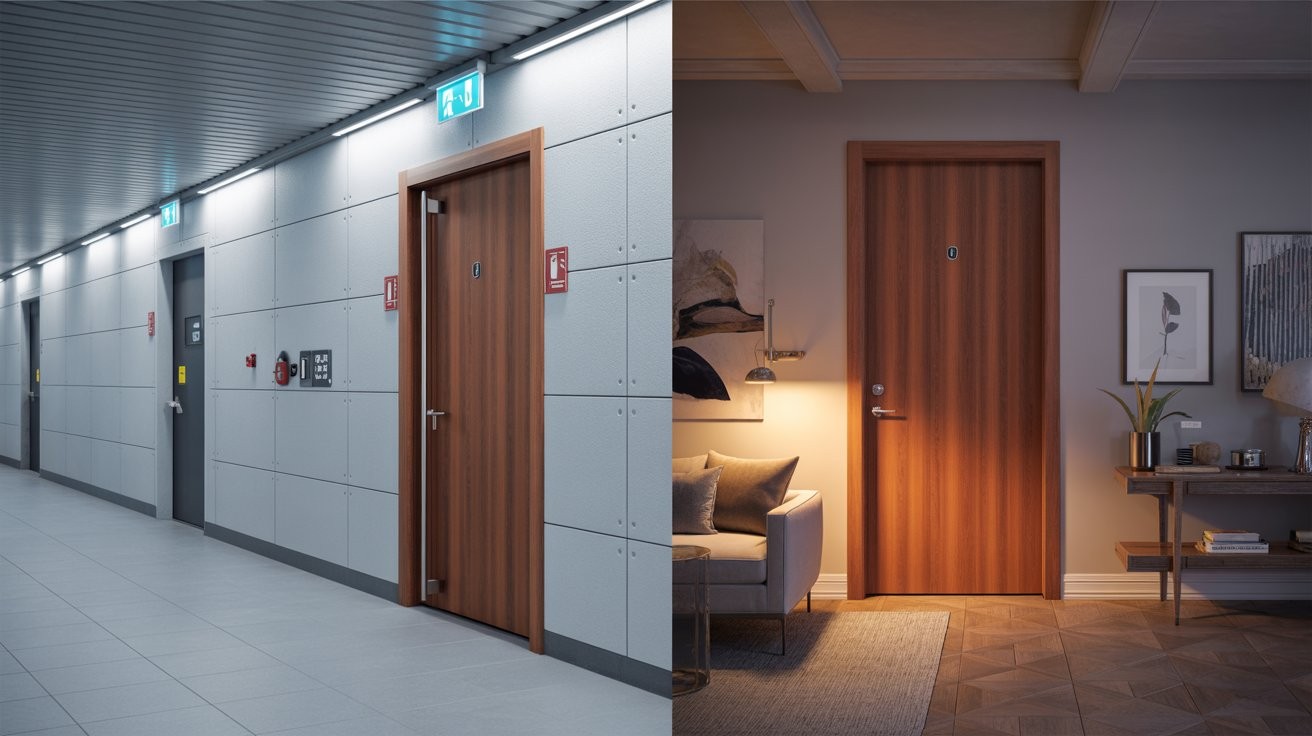
Learn the key differences between commercial and residential fire-rated doors, including fire ratings, regulations, materials, and safety requirements.
Fire Alarm System Requirements in Qatar: A Guide for Building Owners