
Ensuring the safety of people and property is a top priority in any building, whether it’s residential, commercial, industrial, or institutional. When we think of safety and security for our buildings, the first things that come to mind are CCTV cameras, gated communities, and emergency exits. But we pay the least attention to the fire safety options.
Modern fire alarm systems have evolved beyond what they used to be in the past. Today’s solutions are intelligent networks of detectors, control panels, and communication devices. They work together to quickly detect fire, alert occupants, and coordinate an effective response.
In this blog, we will discuss how fire safety alarms can help improve the safety of a building.
Key Components of a Modern Fire Alarm System
A modern fire alarm system consists of several components. Each of them plays a major role in detecting and responding to a fire emergency.
The key components of a modern fire alarm system include:
- Smoke detectors – They sense smoke particles in the air and trigger alarms at the earliest sign of fire.
- Heat detectors – The component responds to abnormal rises in temperature, ideal for areas where smoke or steam is common.
- Multi-sensor detectors – These combine smoke, heat, and sometimes gas detection to improve accuracy and reliability.
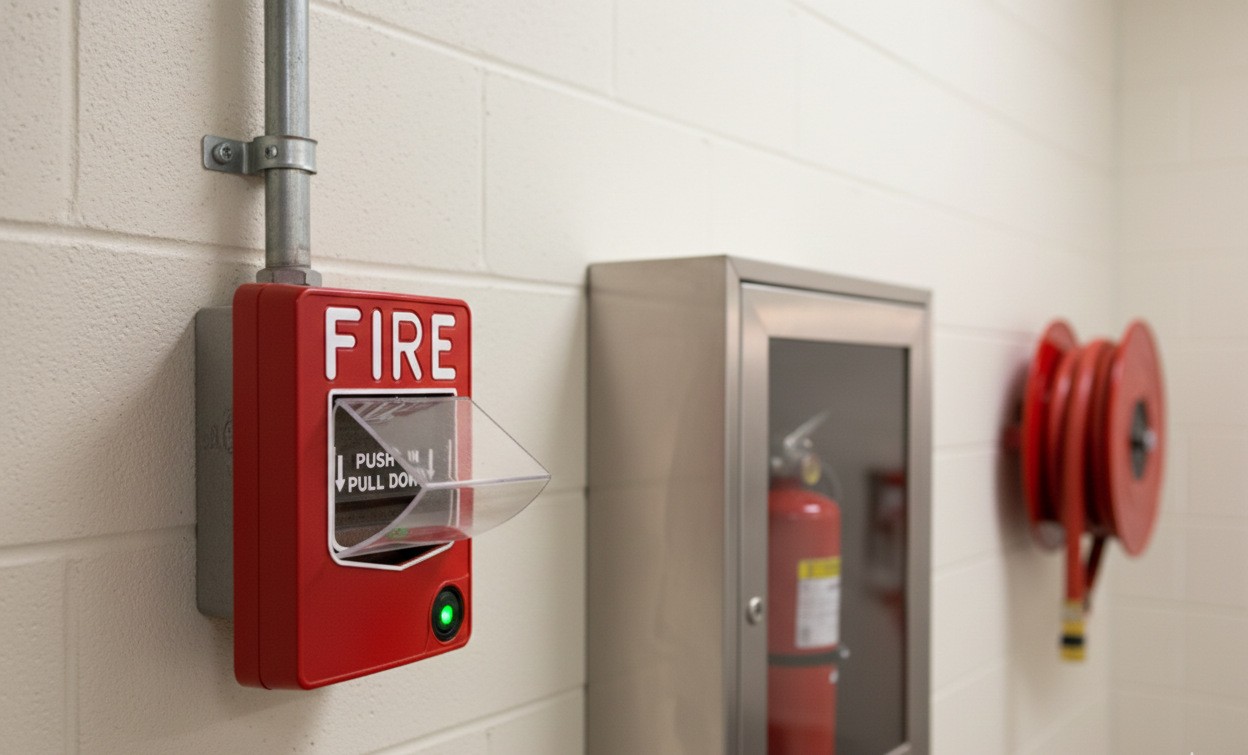
- Manual call points (MCPs) – It allows occupants to raise an alarm manually if they see a fire.
- Fire alarm control panel (FACP) – This is the “brain” of the system that receives signals, identifies locations, and activates alarms or connected systems.
- Sounders, strobes, and voice evacuation devices – They provide audible and visual alerts to ensure everyone is warned, including people with hearing impairments.
Together, all these components act as a comprehensive detection and notification network.
Read More: How to Choose the Best Fire Alarm System for Your Building?
How do Fire Alarm Systems Detect Fire Early
Modern fire alarm systems are equipped with sophisticated algorithms that detect danger at an early stage. They continuously monitor the smoke levels and other indicators of danger.
The systems today have multi-sensor detectors. They can detect multiple parameters at once. For example, they might confirm a real fire when both smoke and rising heat are present, rather than sounding an alarm for harmless steam from a bathroom or light cooking fumes. This intelligent detection allows for swift alerts without unnecessary disruption.
Faster Fire Detection Saves Lives
When you have a fire emergency, every second counts. Modern systems can detect fire hazards early. This makes it easier to initiate the evacuation process earlier, thereby saving precious lives.
Early detection also helps minimize property damage, protect critical equipment, and reduce downtime for businesses. This should be a positive option in areas such as malls, schools, and healthcare facilities.
Reduced False Alarms
Older fire alarm systems were known for false alarms. They were triggered even by dust, steam, cooking smoke, or minor electrical issues. Over time, frequent false alarms make people complacent, leading them to ignore or delay their response when a real fire occurs.
Modern systems use intelligent signal processing. Advanced detectors and control panels can distinguish between dust and actual smoke. It also detects the difference between normal temperature fluctuations and dangerous heat rise.
Clear and Loud Alerts for Everyone
An alarm audible only to a few people is not enough. Today’s fire alarm systems prioritize clear, inclusive communication for all occupants.
The modern systems have multiple alert systems. These include voice evacuation signals, flashing strobe lights, and vibration alerts. In essence, the modern fire alarm systems combine sound, light, and voice messages.
Smart Fire Alarm Panels for Better Control
Modern panels are intelligent, user-friendly, and packed with features that help facility teams manage emergencies and maintenance.
These systems help you pinpoint the exact location and type of fire. They also offer you device status indicators. It also logs in all the vents for analysis and reporting, supporting audits and compliance.
Integration With Other Safety Systems
One of the biggest advantages of modern fire alarms is their ability to integrate with other building safety and protection systems. When a fire is detected, the fire alarm system can automatically coordinate several actions.
They activate fire suppression systems. The system will also unlock the emergency exits for easy evacuations. Depending upon what integrated systems you have installed, the modern fire alarm systems can work in sync with them.
Real-Time Notifications to Your Phone
Modern fire alarm systems can also alert you on your phone via app notifications. This should be a plus point for residential communities, commercial towers, and industrial sites.
Better Coverage With Wireless Detectors
Wired fire alarm systems have always been difficult to install. That has been a serious impediment in older properties, heritage structures, temporary facilities, and complex layouts.
Modern fire alarm systems with wireless connectivity and detection help you get around this situation. They tend to use radio communication between detectors, modules, and panels. This improved coverage ensures that every corner of the building is protected.
Improved Safety for High-Risk Areas
Not every part of your home or building comes with the same risk level. Certain spaces require specialized detection to address unique fire hazards.
A few good examples for the areas that need special attention include kitchens and food courts, server rooms and data centers, and parking areas. By selecting the right type of detector for each area, fire alarm systems significantly increase safety in these high-risk zones, protecting both people and critical assets.
Integrating with Building Management Systems (BMS)
In many modern facilities, fire alarms are closely integrated with the Building Management System (BMS). This creates a unified platform where safety, energy, HVAC, lighting, and access control work together.
For large complexes, campuses, and high-rise buildings, BMS integration improves fire management and safety.
Learn More: The Importance of Regular Maintenance for Fire Alarm and Fire Fighting Systems
Conclusion: Strengthening Building Safety With Smart Fire Systems
Modern fire alarm systems have introduced the concept of an intelligent, proactive layer of protection. The features like faster detection, fewer false alarms, and other advanced features have made them the real saviours.
In Qatar, fire safety compliance and high building occupancy make fire alarm systems essential. However, you would need a reputable, reliable, and certified partner to guide you in installing the right alarm system. Electra provides certified fire alarm installation and maintenance services to ensure reliable protection.
Contact us today for all your needs in a modern fire alarm system.
Related Blogs

How PA Systems Help Manage Emergencies in Large Buildings in Qatar
How to Choose a Reliable Fire Protection Company in Qatar
69dc76a796b90.png)
Outdoor UPS Vs Indoor UPS: Key Differences You Need To Know
Learn the key differences between commercial and residential fire-rated doors, including fire ratings, regulations, materials, and safety requirements.
Fire Alarm System Requirements in Qatar: A Guide for Building Owners